
Your gift powers the movement to protect our planet, 365 days a year.

Donate now

End Plastics

Plastic pollution threatens our environment and health. Help stop it at its source through stronger policies, corporate accountability, and solutions that reduce unnecessary plastics.

  • Take Action

    Take the Plastic Detox Pledge

    Add your voice to the movement to reduce single-use plastics and build a plastic-free future.

    Sign the pledge

About the Campaign

Beyond Single-Use Solutions

Plastic pollution is an environmental and human health challenge. Microplastics and plastic-associated chemicals contaminate our food, water, and air—and have been found in our bodies. Addressing this pollution takes more than cleanups or individual choices; it requires changing the systems that produce and promote unnecessary plastics.

EARTHDAY.ORG’s End Plastics campaign works to stop plastic pollution at its source. Working alongside scientists, policymakers, educators, businesses, and communities, we advance science-based policy, corporate accountability, and reusable alternatives to reduce plastic production and protect human health and the environment.
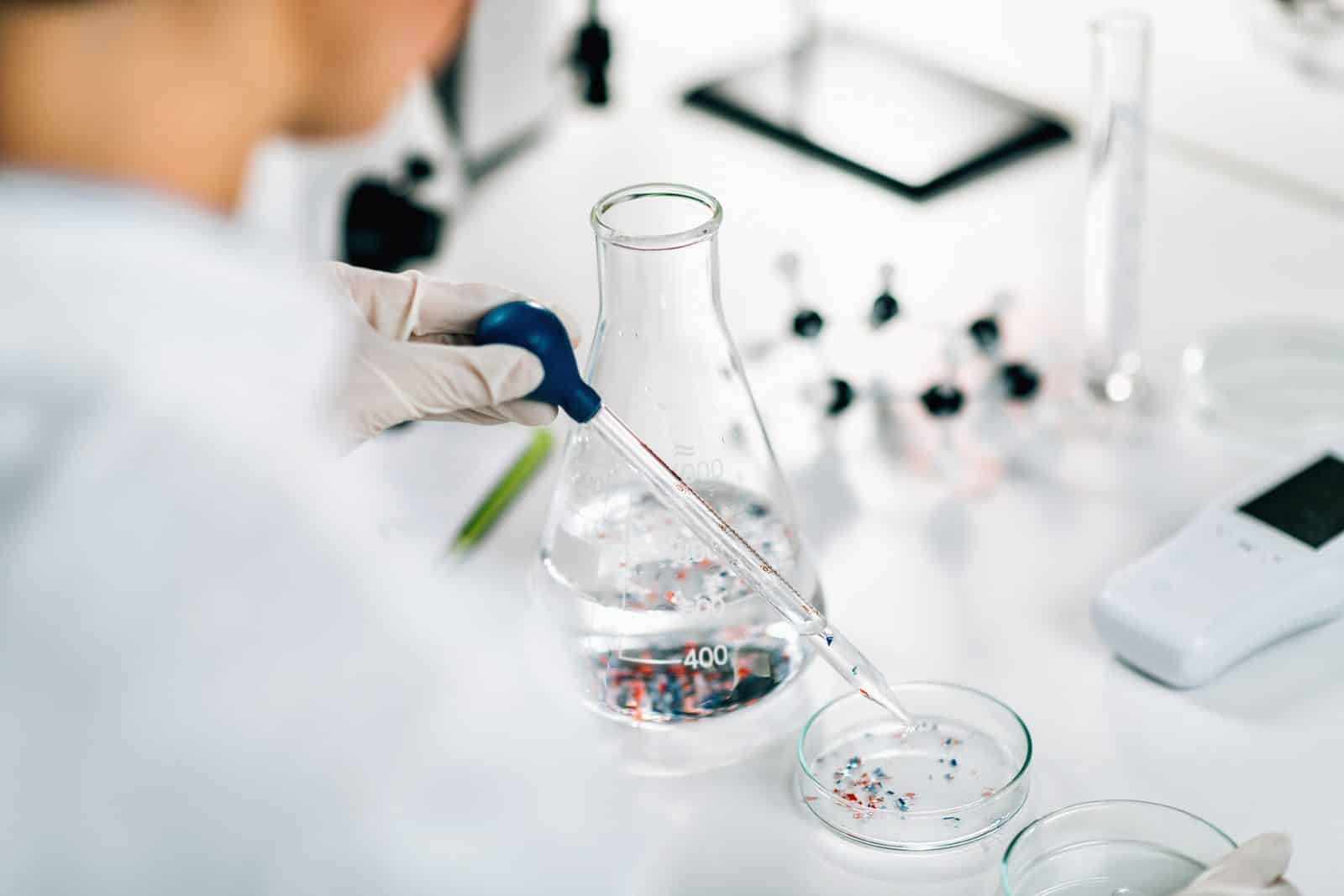
A scientist testing a water sample for microplastic particles in a lab
Two people walking along a shoreline littered with plastic
A volunteer in a face mask picking up litter into a yellow bag

Plastic Pollution FAQs

What is EARTHDAY.ORG’s End Plastics campaign?

EARTHDAY.ORG’s End Plastics campaign works to stop plastic pollution at its source. Through science-based policy, education, corporate accountability, and support for reusable and plastic-free solutions, the campaign advocates for changes that reduce unnecessary plastic production and protect people and the planet.

Why does ending plastic pollution require more than cleanups?

Cleanups remove waste already in the environment, but they do not change the systems that continue producing and discarding unnecessary plastics. The End Plastics campaign combines community action with advocacy for stronger policies, corporate accountability, and reusable alternatives.

What are microplastics?

Microplastics are plastic particles smaller than five millimeters. They can form when larger plastic items break down, while synthetic textiles can release tiny plastic fibers. These particles create opportunities for exposure through air, water, and food.

How can plastics affect human health?

Concerns about plastics and health involve both plastic particles and the chemicals used to make plastic products. Some plastic-associated chemicals can interfere with hormone function. Researchers are also investigating how microplastic exposure may affect health, with important questions still unresolved. Explore the Plastics Research Health Module and campaign reports to learn more.

Can plastic pollution affect pets?

Pets can encounter plastics through toys, food packaging, household dust, and other everyday sources. Swallowed plastic pieces can cause physical harm, while research is examining exposure to microplastics and plastic-associated chemicals. EARTHDAY.ORG’s Pets vs. Plastics report explores these concerns and the need for further research.

How can I help reduce plastic pollution?

Take the Plastic Detox Pledge, support the Global Plastics Treaty petition, advocate for stronger plastic pollution policies, or join a cleanup. You can also participate in initiatives such as Plastic Free July to build habits that reduce single-use plastics while supporting broader systemic change.

How can I support the End Plastics campaign?

Donate to EARTHDAY.ORG to support the organization’s environmental work, including the research, education, advocacy, and community action described in the End Plastics campaign. You can also share campaign resources and encourage others to take action.

How Much Disposable Plastic We Use

The billions upon billions of items of plastic waste choking our oceans, lakes, and rivers and piling up on land are more than unsightly and harmful to plants and wildlife. The following 8 facts shed light on how plastic is proving dangerous to our planet, health, and wildlife. To learn more about the threat and impact of plastic pollution and get tips to reduce your plastic consumption, download our Plastic Pollution Primer and Toolkit and use our Plastic Pollution Calculator today!

1 - Global plastics has reached an estimated 460 million metric tons in recent years Global plastic packaging industry – statistics & facts | Statista

2 - It is estimated that 75 to 199 million tons of plastic are currently in our oceans Visual Feature | Beat Plastic Pollution

3 - One million plastic bottles are purchased every minute worldwide, while up to five trillion plastic bags are used a year Visual Feature | Beat Plastic Pollution

4 - An estimated 9.7 billion cigarette butts are littered in the U.S. every year, 4 billion of these in waterways. They comprise nearly 20% of all litter. https://www.ncbi.nlm.nih.gov/pmc/articles/PMC9265565/

Single-Use Plastics

The billions upon billions of items of plastic waste choking our oceans, lakes, and rivers and piling up on land are more than unsightly and harmful to plants and wildlife. The following 8 facts shed light on how plastic is proving dangerous to our planet, health, and wildlife. To learn more about the threat and impact of plastic pollution and get tips to reduce your plastic consumption, download our Plastic Pollution Primer and Toolkit and use our Plastic Pollution Calculator today!

1 - 8.3 BILLION Metric Tons (9.1 BILLION US Tons) of plastic has been produced since plastic was introduced in the 1950s. [1]

2 - 79% of plastic that has ever been made still sits in landfills or the natural environment (with the exception of the small amount that has been incinerated or recycled) [2]

3 - Americans purchase about 50 billion water bottles per year, averaging about 13 bottles per month for every person in the U.S.! That means by using a reusable water bottle, you could save an average of 156 plastic bottles annually. [3]

4 - An estimated 9.7 billion cigarette butts are littered in the U.S. every year, 4 billion of these in waterways. They comprise nearly 20% of all litter. https://www.ncbi.nlm.nih.gov/pmc/articles/PMC9265565/

5 - In 2017, packaging production constituted the highest-demanded use for plastic, with 146 million metric tons used. [6]

6 - At least 14 million tons of plastic end up in our oceans every year. Many countries lack the infrastructure to prevent plastic pollution such as: sanitary landfills; incineration facilities; recycling capacity and circular economy infrastructure; proper management and disposal of waste systems [7]

7 - When plastics end up in landfills, they aren’t harmless. They break down into tiny toxic particles that contaminate the soil and waterways and enter the food chain when animals accidentally ingest them. [8]

8 - Researchers in Germany indicate that terrestrial microplastic pollution is much higher than marine microplastic pollution– estimated at four to 23 times higher, depending on the environment. This could ultimately have adverse health effects on humans and animals. [9]

Plastics in the Ocean

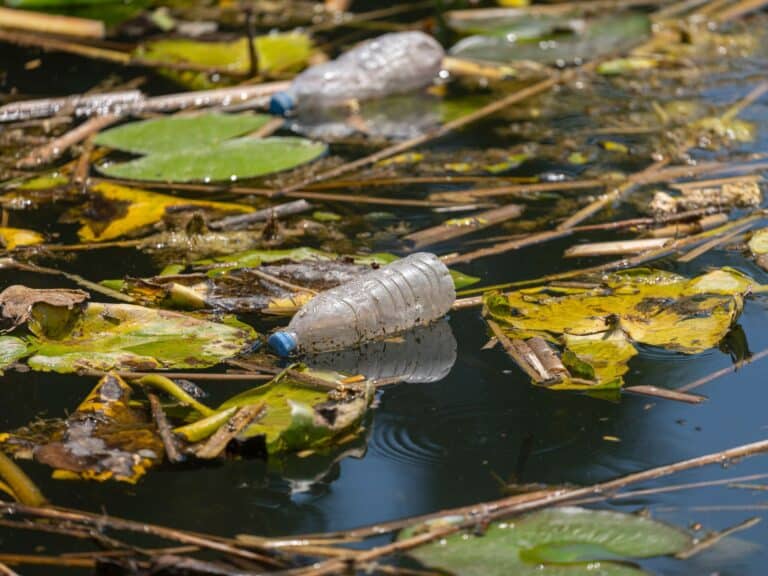
The billions upon billions of items of plastic waste choking our oceans, lakes, and rivers and piling up on land is more than unsightly and harmful to plants and wildlife.

The following 5 facts shed light on how plastic is proving dangerous to our planet, health, and wildlife. To learn more about the threat and impact of plastic pollution and to get tips to reduce your plastic consumption, download our Plastic Pollution Primer and Toolkit today!

1 - Microplastics in different forms are present in almost all water systems in the world, be they streams, rivers, lakes, or oceans. [1] There is more microplastic in the ocean than there are stars in the Milky Way.[2]

2 - By 2050 there will be more plastic in the oceans than there are fish (by weight).[3]

3 - The chances of disease on a coral reef are enhanced by 22-fold by plastics. In 2018, a huge survey of the 159 coral reefs across Asia-Pacific region showed that over 11.1 billion plastic particles are entangling the corals, and this number is estimated to increase dramatically by 40% by 2025. Plastic debris may also cause physical damage to the corals by exhausting the resources for the wound-healing process. Importantly, more than 7000 species of fishes, invertebrates, plants, sea turtles, birds, and marine mammals can be found in the coral reef ecosystem.[4]

4 - Animals are now colonizing the Great Pacific Garbage Patch, meaning that they are consuming the plastic waste and also living in previously uninhabited areas. All of these developments disrupt the natural marine ecosystem.[5]

5 - Many animals at the base of the food chain eat microplastics. These animals are then consumed by others than humans eat.[6]

Microplastics in Drinking Water

The billions upon billions of items of plastic waste choking our oceans, lakes, and rivers and piling up on land is more than unsightly and harmful to plants and wildlife. Plastic Pollution is a very real and growing threat to human health. The following 10 facts shed light on how plastic is proving dangerous to human health. To learn more about the threat and impact of plastic pollution and get tips to reduce your plastic consumption, download our Plastic Pollution Primer and Toolkit today! FACT SHEET: Microplastics and Drinking Water Updated Facts + Metrics The billions upon billions of items of plastic waste choking our oceans, lakes, and rivers and piling up on land is more than unsightly and harmful to plants and wildlife. Plastic Pollution is a very real and growing threat to human health. The following 10 facts shed light on how plastic is proving dangerous to human health. To learn more about the threat and impact of plastic pollution and get tips to reduce your plastic consumption, download our Plastic Pollution Primer and Toolkit today!

1 - Each year, the average American ingests more than 70,000 microplastics in their drinking water supply. [1] These plastics originate from multiple sources, but are mostly linked to littering, stormwater runoff, and poor wastewater management in treatment facilities.​

2 - The US passed the Microbead-Free Waters Act of 2015, which banned plastic microbeads in cosmetics and personal care products sold in the United States. [2] Critically, there are no regulatory limits on the levels of microplastics in bottled water.[3]

3 - The United States Environmental Protection Agency (EPA) proposed a National Strategy to Prevent Plastic Pollution on Earth Day 2023, addressing microplastic interventions to proactively prevent fibers from entering drinking water sources. [4]

4 - A single fleece jacket sheds up to 250,000 microfibers during a single wash. In the transport from the washing machine into drinking water, “microfiber captures” are being developed by entrepreneurs to prevent fibers from clogging filters and jeopardizing urban water treatment infrastructure. [5] –

5 - Microfibers from synthetic fibers have been shown to make up the majority of human material found along the world’s shorelines, accounting for up to as much as 85%. [6]

6 - Microplastics can also come from car tires. Plastic dust is created by the friction between the wheels and the road and is blown into waterways and inhaled by humans. Car tires shed 20 grams of plastic dust every 100 kilometers. [7]

7 - Biologically-active slow sand filters, which are utilized in some water treatment plants for decontamination purposes, have shown a 99.9% efficiency in removing microplastics from drinking water. [8]

8 - According to a 2020 study conducted by PEW Trusts, annual flows of plastic into the ocean could be reduced by 80% by 2040 through the application of existing approaches to reduce our consumption of single-use plastics and the adoption of eco-friendly alternatives. [9]

The Plastic Threat to Human Health

The billions upon billions of items of plastic waste choking our oceans, lakes, and rivers and piling up on land is more than unsightly and harmful to plants and wildlife. Plastic Pollution is a very real and growing threat to human health. The following facts shed light on how plastic is proving dangerous to human health. To learn more about the threat and impact of plastic pollution and get tips to reduce your plastic consumption, download our Plastic Pollution Primer and Toolkit today!

1 - Bisphenol A also known as BPA,[1] used to make billions of plastic beverage containers, dinnerware, protective linings of food cans and toys, is considered an endocrine disruptor, meaning it can both decrease or increase endocrine activity in humans and cause adverse health effects.[2]

2 - BPA is able to be absorbed by fat tissue, and is associated with increased risk of breast cancer. [3] Additionally, the breast milk of most women in the developed world contains dozens of compounds including BPA that have been linked to negative health effects.[4]

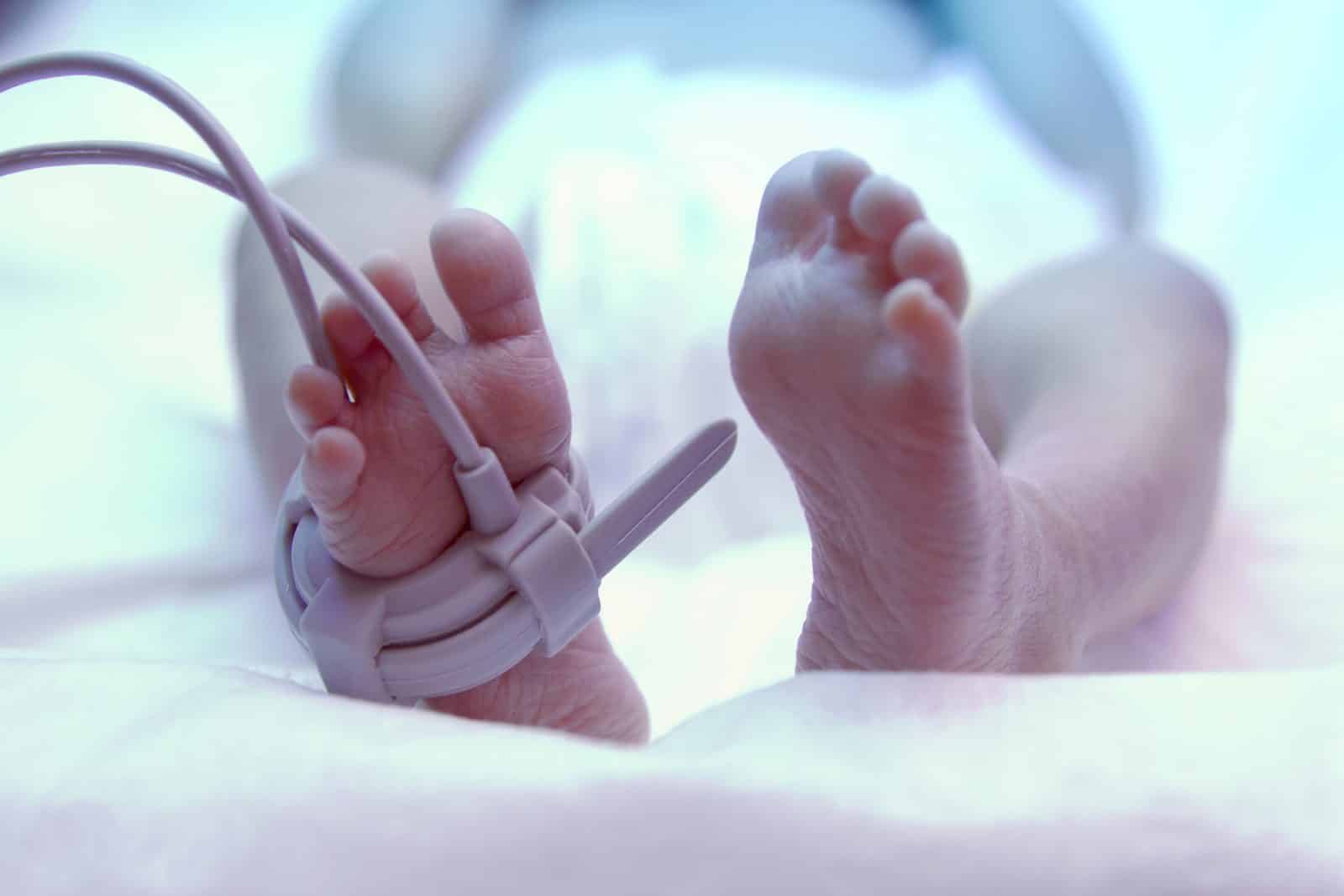
3 - Some animal studies have indicated adverse effects of BPA on newborns and fetuses.[5]

4 -Importantly, the label BPA-free in a container of a bottle doesn’t mean a product is free from other harmful chemical compounds that are slightly different but have a different name.[6]

5 - Growing literature links many Phthalates,[7] which are a group of chemicals used to make plastics more flexible and harder to break, with a variety of adverse outcomes including weight gain and insulin resistance, decreased levels of sex hormones, and other consequences for the human reproductive system both for females and males.[8]

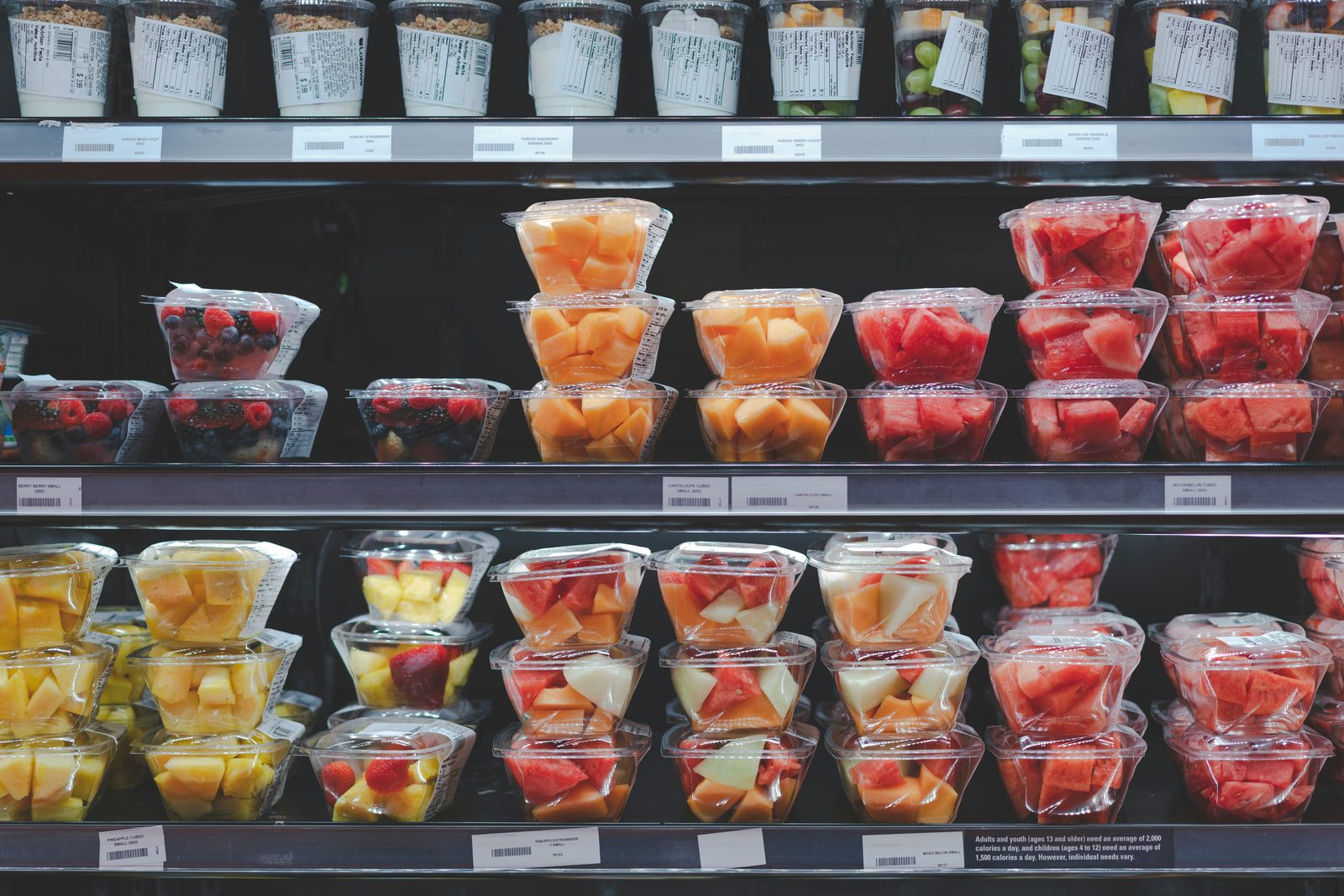
6 - When food is wrapped in plastic containing BPA, phthalates may leak into the food. Any migration is likely to be greater when in contact with fatty foods such as meats and cheeses than with other foods.[9]

7 -In general, it is not recommended to heat food in plastic containers with the codes 3 and 7. The USDA Food Safety and Inspection Service advises Americans not to reuse margarine tubs, take-out containers, whipped topping bowls, and other one-time use containers, which are more likely to melt and cause chemicals to leach into food.[10]