
End Plastics
Plastic pollution threatens our environment and health. Help stop it at its source through stronger policies, corporate accountability, and solutions that reduce unnecessary plastics.
-
Take Action
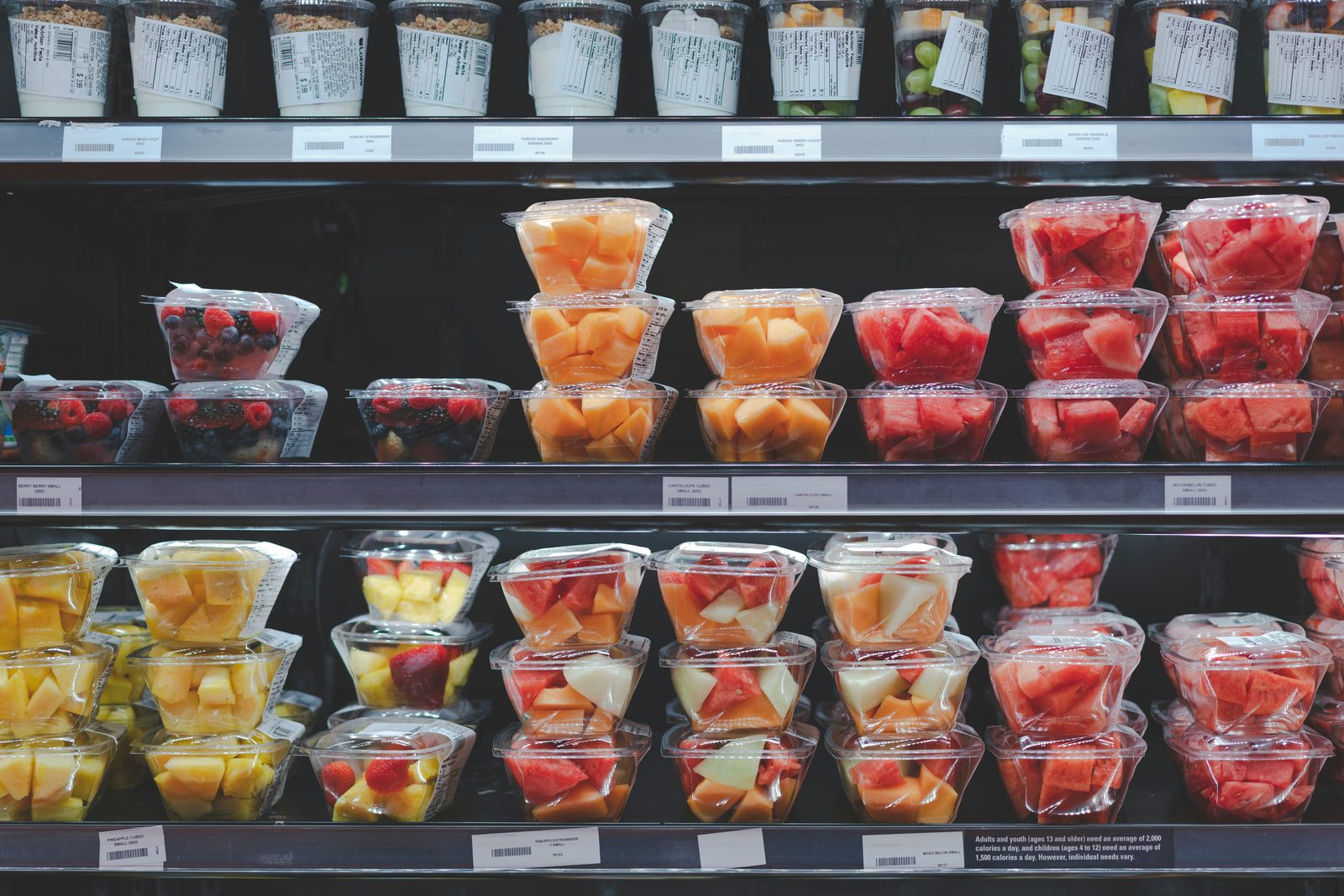
Take the Plastic Detox Pledge
Add your voice to the movement to reduce single-use plastics and build a plastic-free future.
Sign the pledge

About the Campaign
Beyond Single-Use Solutions
Plastic pollution is an environmental and human health challenge. Microplastics and plastic-associated chemicals contaminate our food, water, and air—and have been found in our bodies. Addressing this pollution takes more than cleanups or individual choices; it requires changing the systems that produce and promote unnecessary plastics.
EARTHDAY.ORG’s End Plastics campaign works to stop plastic pollution at its source. Working alongside scientists, policymakers, educators, businesses, and communities, we advance science-based policy, corporate accountability, and reusable alternatives to reduce plastic production and protect human health and the environment.

Make a Difference
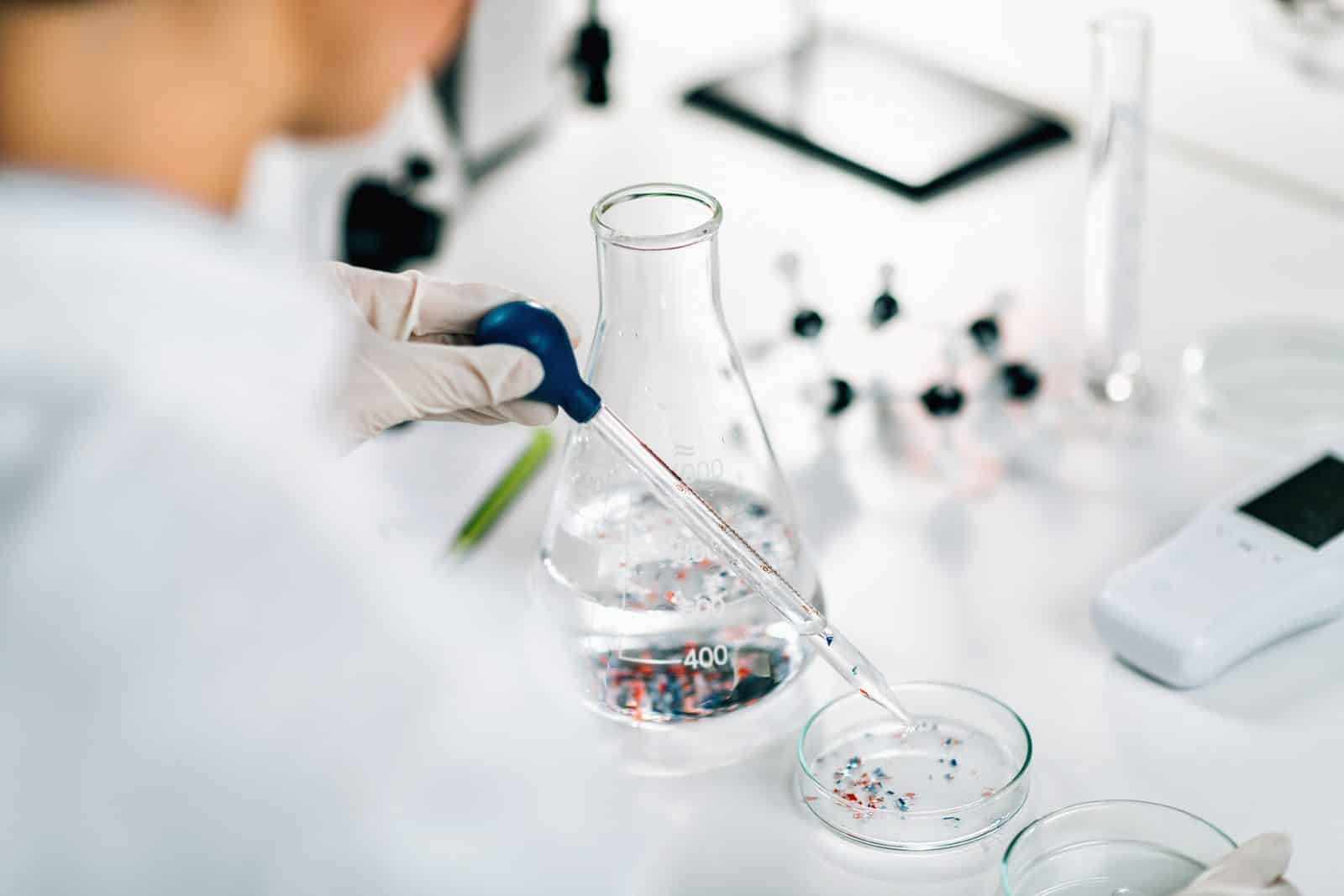
Take Action Against Plastic Pollution
Support stronger policies, reduce single-use plastics, and help clean up your community. Individual action and collective advocacy both have a role in ending plastic pollution.


Plastics and Health
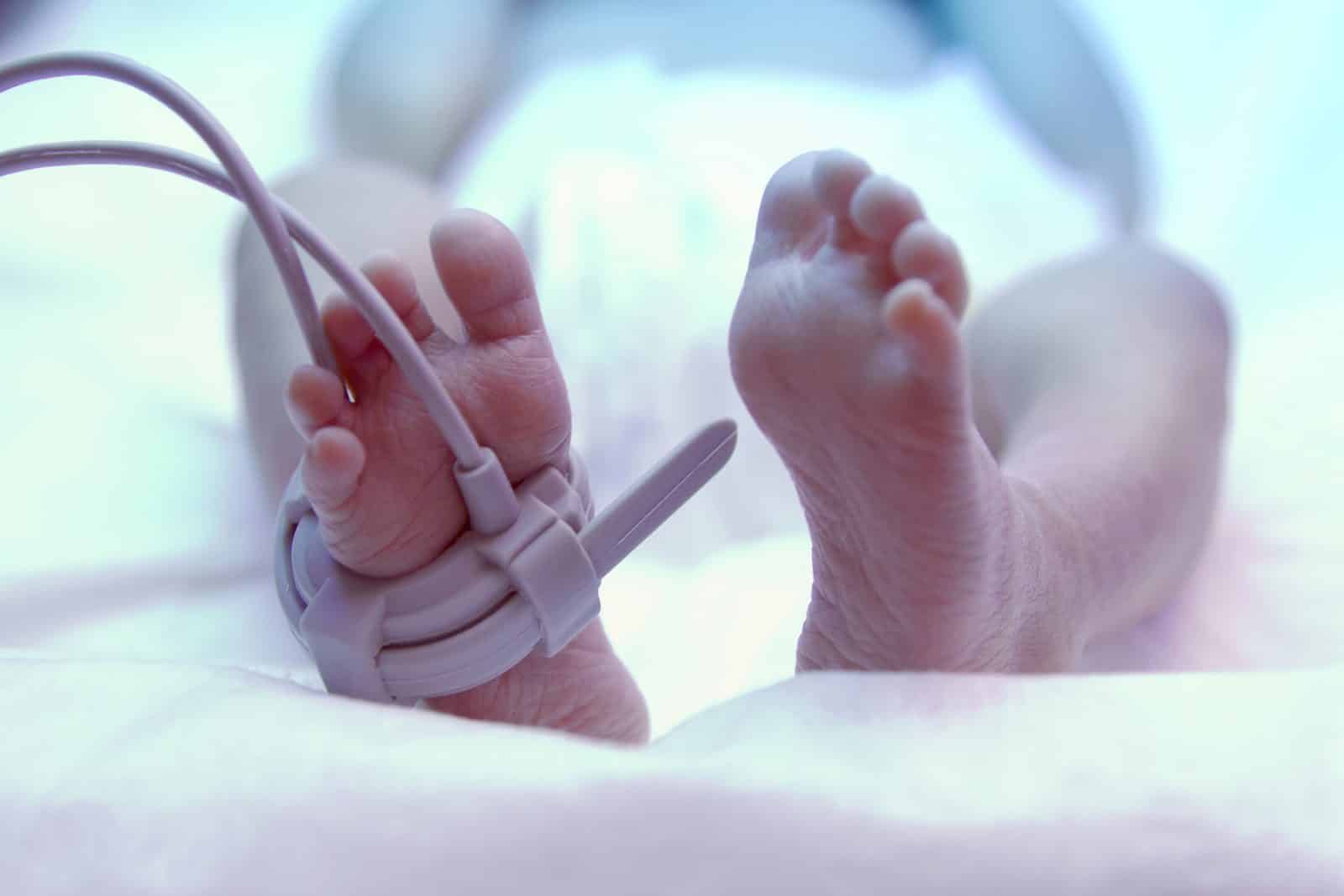
Plastics and Health Research
Explore research and reports on microplastics, plastic-associated chemicals, and potential health risks for people and pets.

Learn and Explore
Plastic Pollution Resources
Explore fact sheets on plastic pollution, its impacts, and solutions to help inform everyday choices and collective action.


Quiz Yourself
Test Your Plastics Knowledge
Explore four quizzes on plastic pollution and its impacts.

News and Media
The Latest on Plastics
-

October 8, 2026
Positive News You Can Use: Nature’s Biodiversity and a Greener Future
Discover four inspiring environmental progress stories from around the world.
Read the story -
August 18, 2026
Everyday Chemical Exposures Put Us All at Risk
Dr. Shanna Swan explores how everyday chemical exposures may affect fertility and reproductive health, from food and cookware to products used around the home.
Read the story -

August 6, 2026
Take the Plastic Detox Pledge and Make Plastic-Free Habits Stick
Plastic-free choices have the greatest impact when they become part of daily life. Over time, these small choices can reduce waste, shift demand, and make plastic-free living feel normal. The challenge is turning that first good intention into a habit that lasts.
Read the story -

July 28, 2026
5 Surprising Biodegradable Plastic Substitutions
With pros and cons, bioplastics are bio-based and/or biodegradable plastic-alternatives. From using food waste to flies, here are five interesting bioplastics.
Read the story -
July 20, 2026
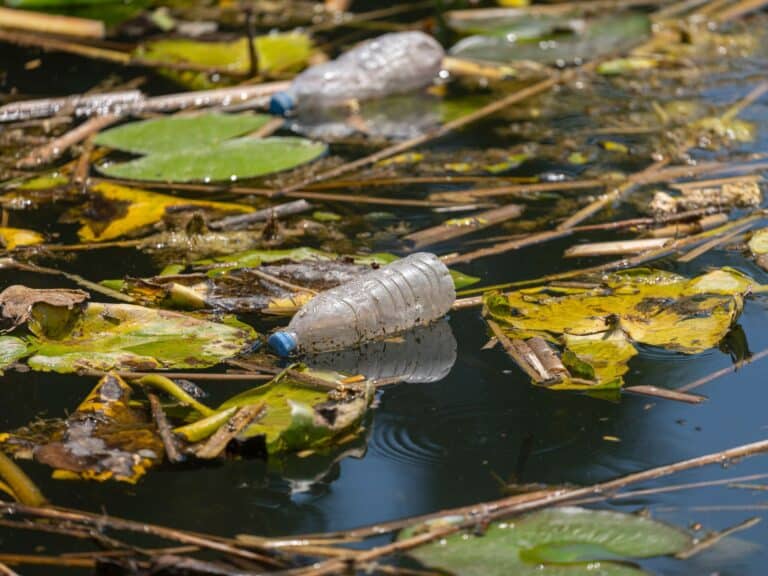
Inland Community Pioneers in the Plastic Pollution Fight
Plastic pollution threatens inland cities by contaminating drinking water, fish, and food long before the coast.
Read the story -

July 17, 2026
Birdwatching is Booming, So is Its Problem
Birds are getting a lot of love, and for good reason: they’re essential to environments and fun to watch. Plastic pollution is harming them.
Read the story


Plastic Pollution FAQs
What is EARTHDAY.ORG’s End Plastics campaign?
EARTHDAY.ORG’s End Plastics campaign works to stop plastic pollution at its source. Through science-based policy, education, corporate accountability, and support for reusable and plastic-free solutions, the campaign advocates for changes that reduce unnecessary plastic production and protect people and the planet.
Why does ending plastic pollution require more than cleanups?
Cleanups remove waste already in the environment, but they do not change the systems that continue producing and discarding unnecessary plastics. The End Plastics campaign combines community action with advocacy for stronger policies, corporate accountability, and reusable alternatives.
What are microplastics?
Microplastics are plastic particles smaller than five millimeters. They can form when larger plastic items break down, while synthetic textiles can release tiny plastic fibers. These particles create opportunities for exposure through air, water, and food.
How can plastics affect human health?
Concerns about plastics and health involve both plastic particles and the chemicals used to make plastic products. Some plastic-associated chemicals can interfere with hormone function. Researchers are also investigating how microplastic exposure may affect health, with important questions still unresolved. Explore the Plastics Research Health Module and campaign reports to learn more.
Can plastic pollution affect pets?
Pets can encounter plastics through toys, food packaging, household dust, and other everyday sources. Swallowed plastic pieces can cause physical harm, while research is examining exposure to microplastics and plastic-associated chemicals. EARTHDAY.ORG’s Pets vs. Plastics report explores these concerns and the need for further research.
How can I help reduce plastic pollution?
Take the Plastic Detox Pledge, support the Global Plastics Treaty petition, advocate for stronger plastic pollution policies, or join a cleanup. You can also participate in initiatives such as Plastic Free July to build habits that reduce single-use plastics while supporting broader systemic change.
How can I support the End Plastics campaign?
Donate to EARTHDAY.ORG to support the organization’s environmental work, including the research, education, advocacy, and community action described in the End Plastics campaign. You can also share campaign resources and encourage others to take action.