Conservation and Biodiversity
The Unsung Heroes of Our National Parks
August 25, 2025
Today is National Park Service Founders Day, a chance to honor the incredible individuals whose passion and advocacy helped conserve America’s natural treasures. While names like John Muir and Theodore Roosevelt dominate the topic of national parks, they weren’t alone.
Behind every national park are the lesser-known pioneers, the scientists, writers, and activists who shaped how we protect and experience the land. Here are five unsung heroes whose work helped shape the parks we know and love today.
George Bird Grinnell (1849-1938): Glacier National Park, Montana
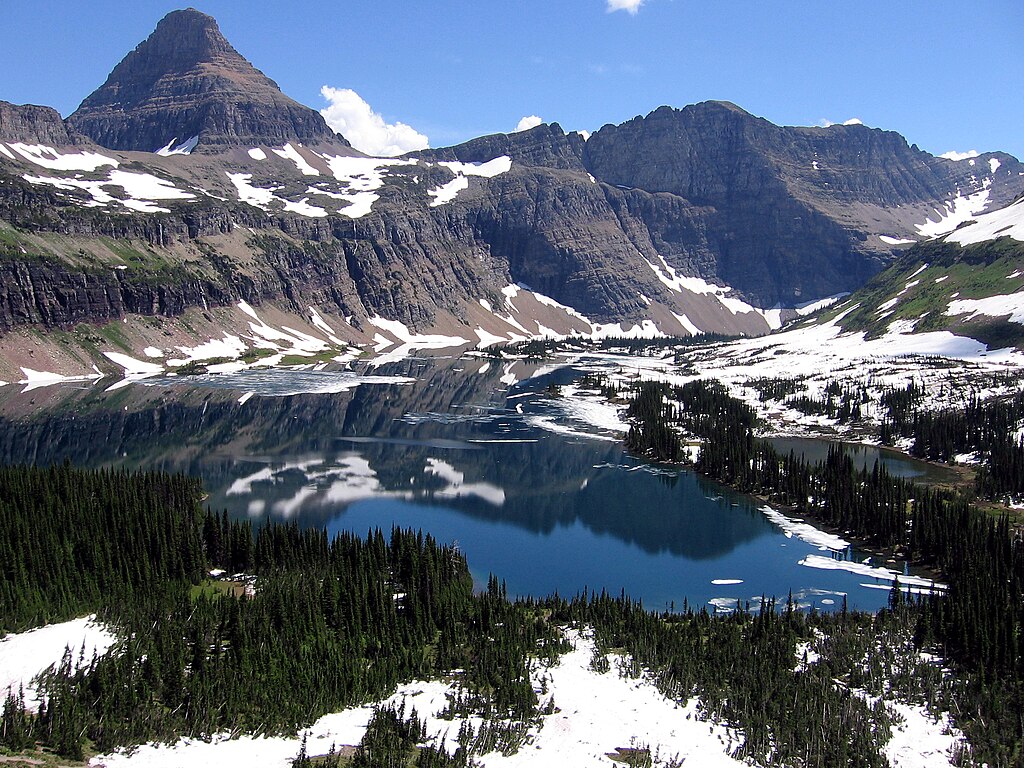
George Bird Grinnell, an anthropologist, historian, and writer, was a towering force in the early conservation movement, not only for his scholarship and advocacy, but for his role in making Glacier National Park, in the northwest corner of Montana, along the edge of the Rocky Mountains, a reality.
After exploring the area in 1885, he fell in love with its wild beauty and felt it deserved to be protected. Through passionate writing and public outreach, he helped create public interest in the glaciers and valleys of northern Montana, and his work eventually sparked legislative action. Glacier National Park may never have existed without him.
Beyond Glacier, Grinnell was deeply involved in wildlife conservation. He co-founded the Audubon Society of New York, which later became the National Audubon Society, and spent decades promoting the protection of bird species.
In Yellowstone National Park, he was a member of Colonel William Ludlow’s 1875 reconnaissance, cataloguing 40 species of animals and 139 species of birds. Later, he exposed rampant poaching in the area, which led to the influential Yellowstone Park Protection Act, a keystone of national park legislation. Grinnell’s combination of fieldwork and political influence helped lay the foundation for conservation law in the United States.
Minerva Hoyt (1866-1945): Joshua Tree National Park, California
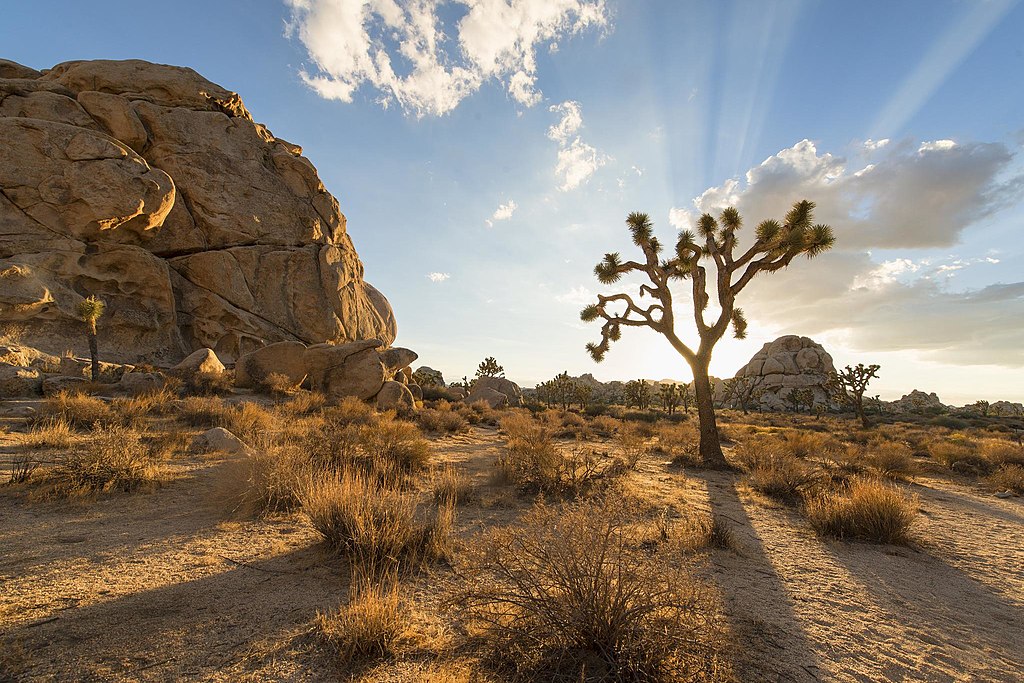
Minerva Hoyt’s conservation journey began not in academia or government, but in grief. After losing her husband and son, she found solace in the natural landscape of southern California. She took many trips to the deserts, admiring the unusual rock formations and the austere beauty of the desert plants that manage to thrive in such harsh climates. Thus, she became one of the most prominent voices calling for desert preservation.
As desert flora became more popular among plant collectors, who would travel in droves and dig up whatever they pleased, Hoyt, appalled by the destruction left in their wake, began to organize exhibitions of desert plants, trying to generate more interest in the Southwest’s flowers and cacti.
In 1930, she founded the International Desert Conservation League, with the goal of establishing parks to preserve desert landscapes. After years of advocacy, she finally gained the support she was looking for, leading to the creation of multiple protected areas, including what is now Joshua Tree National Park in South East California. Hoyt’s passion led to the preservation of beautiful lands that were once seen as barren wastelands.
George Meléndez Wright (1904-1936): Protecting Park Wildlife
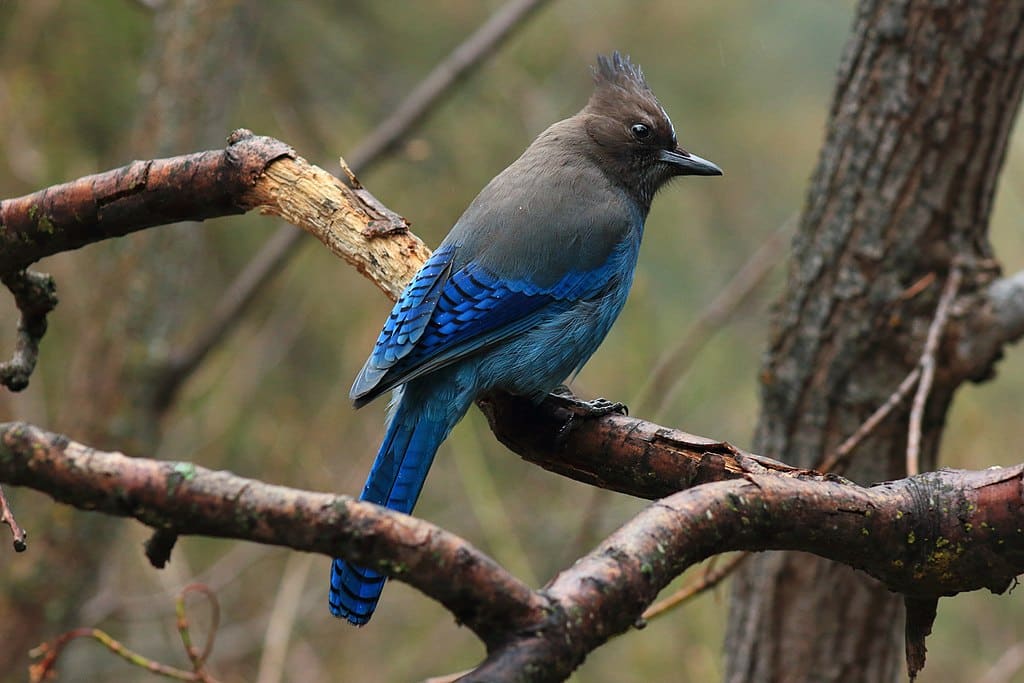
George Meléndez Wright was a wildlife biologist and the first Hispanic professional scientist in the National Park Service. While working as an assistant naturalist at Yosemite National Park in the late 1920s, he became alarmed by the harmful ways in which parks were mismanaging wildlife.
Bears were fed for entertainment, predators were trapped and killed by park employees, and there was a disturbing lack of staff devoted to wildlife. It was clear to Wright that there was no science-based park management, and he took it upon himself to change this.
Wright set out to conduct extensive wildlife surveys, for which he had to personally assume all costs, including travel, equipment, and staff salaries. The enormous body of field research was compiled into a groundbreaking text that laid out a vision for how to properly manage the wildlife of America’s national parks.
Some of his recommendations included protecting predators and reducing human-bear interaction by using bear-proof lockers, ideas that were well ahead of their time. Although Wright’s life was tragically cut short in a car accident at just 31 years old, his legacy lives on in the wildlife management practices that set the standards for national parks years in the future.
Thomas Chalmers Vint (1894-1967): Harmonizing Infrastructure with Nature
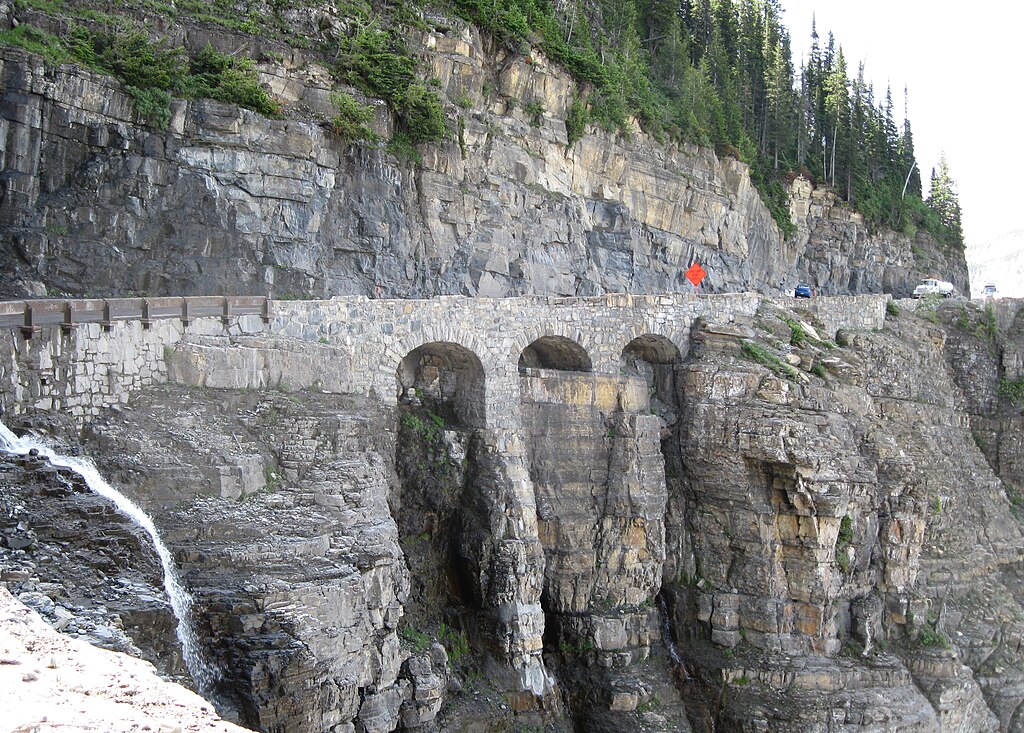
While others preserved the wild, the landscape architect Thomas Chalmers Vint shaped how we experience it. The late 1920s and early 1930s were times of extensive construction, with roads, housing, visitor lodging, and campgrounds, all bearing down on America’s wild places for the first time.
Out of all this rapid development arose the question of how to establish this infrastructure while still preserving the natural beauty of the parks. Vint developed a philosophy that changed park infrastructure forever: buildings, roads, and visitor centers should blend seamlessly with the environment, not overpower it.
He fought for this vision in Glacier National Park during planning for the iconic Going-to-the-Sun Road, pushing for a more elegant design rather than something that would obstruct the view. Vint’s influence can be seen in the rustic architecture and meandering roads that characterize many parks today.
Although, like George Meléndez Wright, Vint never personally founded a national park, he was extremely influential in how they were designed, and his harmonizing vision has been invaluable in the development of parks ever since.
Marjory Stoneman Douglas (1890-1998): The Everglades
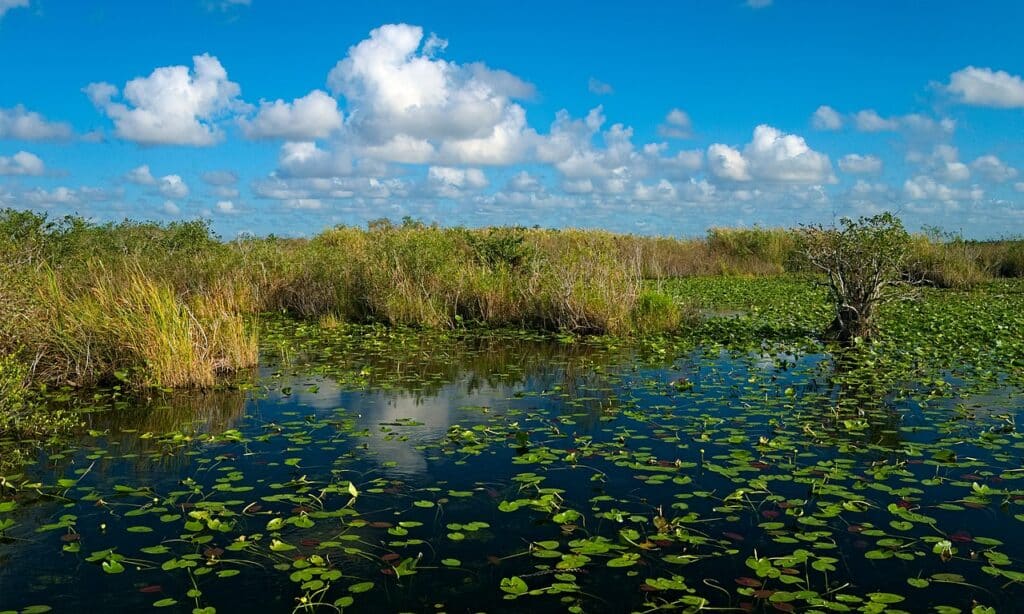
Marjory Stoneman Douglas, a writer, was no scientist or park ranger, but her pen and her passion helped save an entire ecosystem. A journalist and freelance fiction writer for years, in 1942 she was asked by the author Hervey Allen to contribute to his book series on the rivers of America.
He asked her to write about the Miami River, but Douglas, protesting that the Miami River was “only about an inch long,” asked instead to write about Everglades, the 1.5 million acres of Florida wetlands. Five years later, she published The Everglades: River of Grass, a best-selling book that blended science, local history, and evocative imagery to transform public perception of the Everglades, which was previously thought to be a useless swamp.
For the rest of her life, Douglas continued to fight for the Everglades, confronting government agencies and real estate developers, protesting flood control projects that dried out the wetlands, and launched the Friends of the Everglades to halt the construction of a jetport that would have devastated the area.
Her advocacy earned her many awards, including the Presidential Medal of Freedom, but more importantly, it helped the Everglades not only survive, but thrive.
The Power of Passion
While presidents and policymakers sign the laws that create the parks, it was writers, scientists, and everyday advocates who gave voice and vision to the landscapes we cherish. These figures show that conservation is not just about protecting land. It’s about the heart we put into our work and what we care about.
If reading about these changemakers has inspired you to act on your own passion and take action as well, check out our theme for 2025: Our Power, Our Planet, a commitment to harnessing the power of renewable energy.
You can also support our work by joining our mailing list, help us plant trees with our Canopy Tree Project, or register for the Great Global Cleanup, which aims to rid the world of waste and plastic pollution.
To keep America’s parks safe, we need a strong Environmental Protection Agency, but the present administration has other ideas. Read our EPA statement on their latest attacks on clean air and clean water here, and join our unsung heroes and take action.
If you care about the environment, and are in the U.S., we need your voice. Add your name to our public comments on the EPA’s intentions to gut the agency’s ability to regulate pollution due to climate change, also known as the Endangerment Finding.
Whatever you do, remember that planet Earth needs whatever help we can contribute and every action you take, no matter how small, matters.
This article is available for republishing on your website, newsletter, magazine, newspaper, or blog. The accompanying imagery is also cleared for use with attribution. Please ensure that the author’s name and their affiliation with EARTHDAY.ORG are credited. Kindly inform us if you republish so we can acknowledge, tag, or repost your content. You may notify us via email at [email protected] or [email protected]. Want more articles? Follow us on substack.