Climate Action
Signing Off as Your Fact-Checker
December 12, 2025
When you read an article, you might wonder if every single detail really matters – like if an author claims that something happens 50% of the time, does it? Or if they instead write that it occurs on average 50% of the time, is that any different? Maybe you wonder whether it matters if an author is slightly ambiguous with dates, claiming that something is ‘currently happening’, when in reality it occurred three years ago.
The truth is, in the highly scrutinized field of climate change, every fact and detail, no matter its significance, has to be correct. In this field, we cannot afford to be imprecise, or we may be accused of misinforming the public, exaggerating, or fear mongering by those with vested interests.
When we live in a political landscape where we see many of the people around us and those in power regularly dismissing well-established scientific facts as “propaganda” or “a hoax”, it becomes even more important for us to make sure that our arguments are grounded in solid, credible science, and that we present those facts clearly and accurately so they cannot be easily dismissed.
We must hold ourselves to the scientific standards that climate change deniers reject and stay committed to portraying the world as it is, not as opponents of climate action distort it to be.
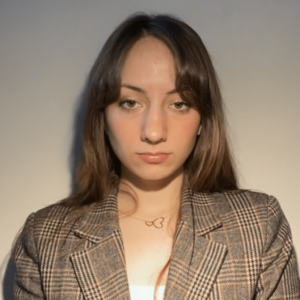
As the fact-checking and Goldman Environmental Prize nominations intern at EARTHDAY.ORG this fall, I have had the opportunity to be a part of the effort to keep everything we write honest.
In my time at EDO, five months, I have written four Goldman nominations as well as factchecked everything that EARTHDAY.ORG posted on the News and Stories page — 101 articles over the semester! Our editors are part of the process but my role has been to query every fact, data point, source and claim. That has meant working with a lot of EDO’s staff and all of the communication interns — it has been a valuable insight into the power of climate journalism.
At EARTHDAY.ORG, we know the coming years will bring immense change all over the globe. In order to combat climate change, countries and communities all around the world will have to reconsider how they live their lives, how they travel, work and teach. We, as individuals, will have to make significant changes to our lifestyles. If we do not, those who are least responsible for climate change will be most affected.
Why Should You Care About Climate Change?
Although we know that climate change is a phenomenon that is impacting us now, many of its more severe effects are unlikely to be felt in our lifetimes. Anthropogenic (meaning man-made) climate change is a cumulative process that will impact people all around the world, and lead to incredible losses to heritage, culture, and land. Climate change may not hit us all at once, and it is often incremental and easy to dismiss as part of the ever changing ‘natural’ weather cycle.
The hard truth is that we have failed to ensure we remain below 1.5° […] it could push ecosystems past irreversible tipping points, expose billions to unlivable conditions, and amplify threats to peace and security. Every fraction of a degree means more hunger, displacement, and loss—especially for those least responsible.
UN secretary general António Guterres
Despite the science, politicians around the world consistently fail to take sufficient action to mitigate climate change or stand up to the fossil fuel industry. So the question is: why should you care about another degree of warming, when you might be able to live a reasonably safe and comfortable life anyway? Hopefully the articles and information we share helps to answer this important question.
Whether you’re worried about smaller things, like being able to buy your favorite foods at the grocery store, or bigger things, like the health impacts of breathing in polluted air, the articles published at EARTHDAY.ORG can provide you with accurate and impactful information about the changes to our planet.
If climate change is heavy on your mind and you feel lost, then perhaps reading an article celebrating activists working for a better future or one on documentaries that will inspire you to take action to protect endangered species, might help you feel less lost. Hopefully, these articles give you a sense that you are a part of something greater than yourself, and that you, too, will benefit from a greener and safer planet. At the very least, I hope that these articles encourage you to empathize with those who stand to lose everything as climate change wreaks havoc on some of the most vulnerable regions of the planet.
Despite my convictions that articles that provide accurate scientific assessments of our current situation are vital, some of my favorite articles this semester have been the ones that give us a moment to reconnect with nature and take a moment to consider the wondrous world we live in.
Whether it is inviting us to imagine life for a critter in the forest understory or the amazing characteristics of bamboo (here I feel that I must confess that reading this article inspired me to buy my own bamboo plant), the articles published this semester remind us of all that the world has to offer and what we are fighting to protect.
These types of articles also remind us that climate change is not only a threat to human life, but one that threatens species all over the world with extinction. Finally, they remind us of the high cost to nature, and all the incredible ecosystems that will be lost if we fail to act.
Usually, the end of an EARTHDAY.ORG article will urge you to take part in an EARTHDAY campaign or project. My call to you, the reader, is more simple. Given that we live in a world where actors with vested interests in denying climate change influence our politicians and create and spread climate misinformation, I ask you to be mindful of what you read. I also ask that you don’t take anything at face value, but invest time in educating yourself on the issues that we will have to face together as the planet warms up.
Whether you do this by reading an EARTHDAY.ORG article, watch a Sir David Attenborough documentary, attend a climate education class at university, work on a campaign for a local official supporting environmental stewardship, or read a book on species extinction, I think we will all be better off if we take action to educate ourselves and actively cultivate an understanding of the world free from the influences of lobbyists and fossil fuel companies. But for now, this is Emma Zink, EARTYHDAY.ORG, fact checker, singing off and handing the baton to the next fact checking intern to follow me. Thank you for reading!