Foodprints for the Future
Got Milk? The Impact of Your Latte
October 1, 2025
Happy October First! Today is International Coffee Day. While you’re sipping on your favorite autumn-themed latte, consider the impact your milk choice might have on the planet.
Cow’s milk is the beating heart of the latte, flat white and cappuccino. Milk is a drink that we cannot seem to live without. In 2023, more than 80% of the global population regularly consumed milk. That same year, the global dairy industry accounted for 4% of greenhouse gas emissions. For reference, the United States contributed 11% of total greenhouse gas emissions in 2023, making it the second-largest emitting country.
The problem is that cows emit significant amounts of methane through their digestive process. A single cow can produce upwards of 264 pounds of methane gas per year. Methane is the second-leading greenhouse gas. Over a 20 year period, it has a warming potential 86 times stronger than carbon dioxide.
Dairy requires the most land out of all the plant based milks, as one kilogram of milk uses about 8.95 m² of land. Plus, to produce one liter of milk farmers need about 628 liters of water which puts huge strains on our natural resources.
That is not all: Poor manure handling also causes something called eutrophication. This means that during rainfall, excess nutrients in manure, and fertilizers, like phosphorus and nitrogen, enter the water table, rivers and streams. Algae in the water then flourishes as a result of this injection of extra nutrients, creating great algae blooms that block the sunlight, killing off aquatic plants. Once that happens, oxygen is stripped from the water, leaving the fish and other aquatic creatures to die.
So what are the alternatives to dairy milk?
The OG Alternative: Soy

Before all the trendy nut and seed-based milk alternatives like almond, oat, cashew, hit the market there was just soy milk as the main plant-based milk option. Soybeans are a type of legume that naturally improve soil health by fixing nitrogen, which benefits agricultural ecosystems.
Producing soy milk is also relatively water-efficient compared to other milks—making 1 liter of soy milk requires about 27.8 liters, which is much less than dairy milk and many other plant milks on average. This low water footprint, combined with soy’s ability to improve soil and provide a nutritious protein source, makes soy milk an environmentally friendly milk alternative.
However, soy farming has environmental caveats. Soybeans need to be replanted at the end of each growing season, a cycle that can contribute to deforestation and habitat loss. Brazil produced 40% of the world’s soybeans this past year, with 17% of its arable land being dedicated to the plant in 2022. But soy is land-efficient, given it only needs about 0.66 m² of land per kg of soy milk.
Approximately 20% of soybean production goes to human food products, while approximately 76% goes to feed livestock.
Who’s Thirsty? Almonds Are
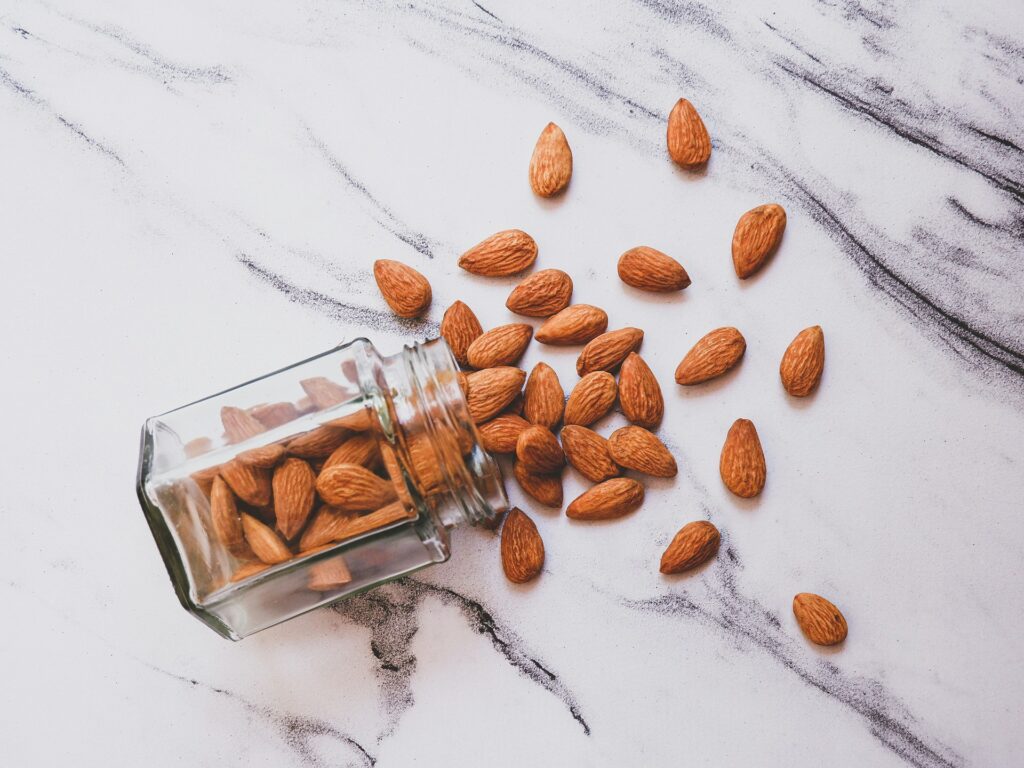
Almonds grow on trees native to Southwest Asia. Though almond farming takes up less land than dairy farming, like dairy it’s still a very thirsty crop; one liter of almond milk needs about 371 liters of freshwater to produce it.
In California, almond farming accounts for 80% of global commercial almond production. And almonds take up 13% of the total developed water supply. The western United States has long debated water rights for decades, where increases in the human population are causing increased demand for both water and food, worsening the problem.
Almond trees also depend heavily on bees. Beekeepers rent out their hives to almond farms annually for pollination. However, almond farms use pesticides like Roundup, which contain glyphosate and can be lethal to honeybees, raising major concerns about pollinator health.
Given these factors, almond farming presents a complex challenge of balancing economic success, environmental sustainability, and natural resource conservation in a region already facing significant water scarcity.
Oat-standing!
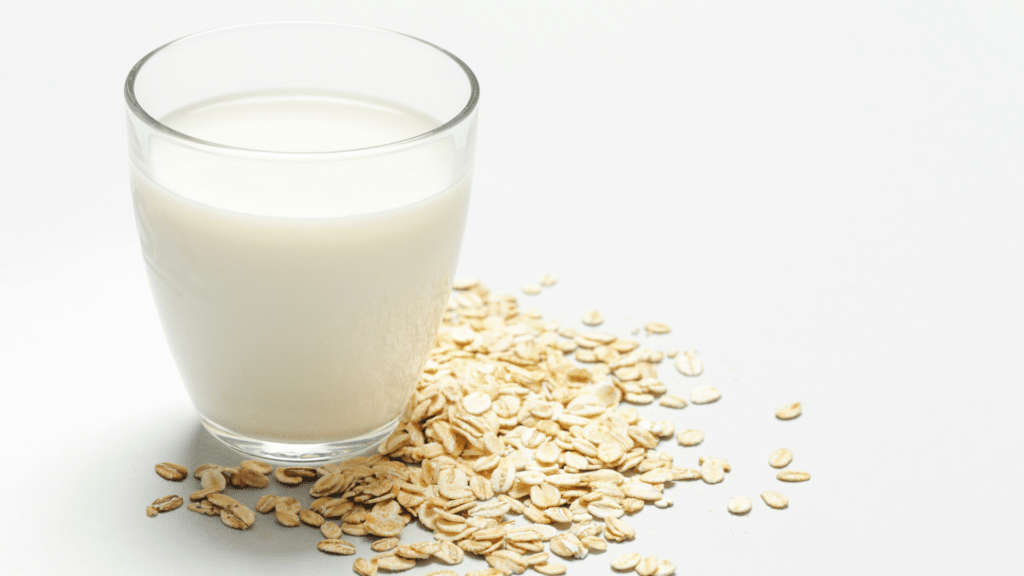
Oats are nitrogen catchers, meaning they absorb excess nitrogen in the soil. Without these crops, there is a risk of runoff into groundwater or freshwater, which can cause eutrophication. Oat-standing!
Oat milk has surged in popularity, especially in coffee shops, surpassing soy and almond milks as a favorite plant-based alternative. Environmentally, oat milk outperforms both: almonds require about six times more water than oats to produce the same amount of milk. Oat milk uses only about 8% of the land and 7% of the water compared to dairy milk production, making it a much lighter footprint choice.
Oats thrive in cooler, temperate climates and benefit from being rain-fed rather than relying heavily on irrigation. They fit well into crop rotation systems, improving soil health and reducing risks linked to continuous monoculture.
In short, choosing oat milk is a smart environmental decision—a choice that supports sustainable agriculture while minimizing water and land use impacts, and it helps protect precious soil and water resources.
Rice, Rice Baby

Rice is culturally significant in communities worldwide, rooted in family meals passed down through generations. It also makes a nutritious dairy alternative. It requires less land to grow, making it the least land-intensive compared to other popular plant-based milks.
Rice milk might not be the best option, though, as its water usage is fairly high, 269.81 liters of water per liter of rice milk. Rice paddies are notorious for their methane emissions. Rice paddies are flooded plots of land, so the soil lacks oxygen, creating a welcoming environment for methane-spewing bacteria. Paddy fields contribute up to 8% of global methane emissions, while livestock cultivation makes up 32%.
Coo Coo for Coconuts
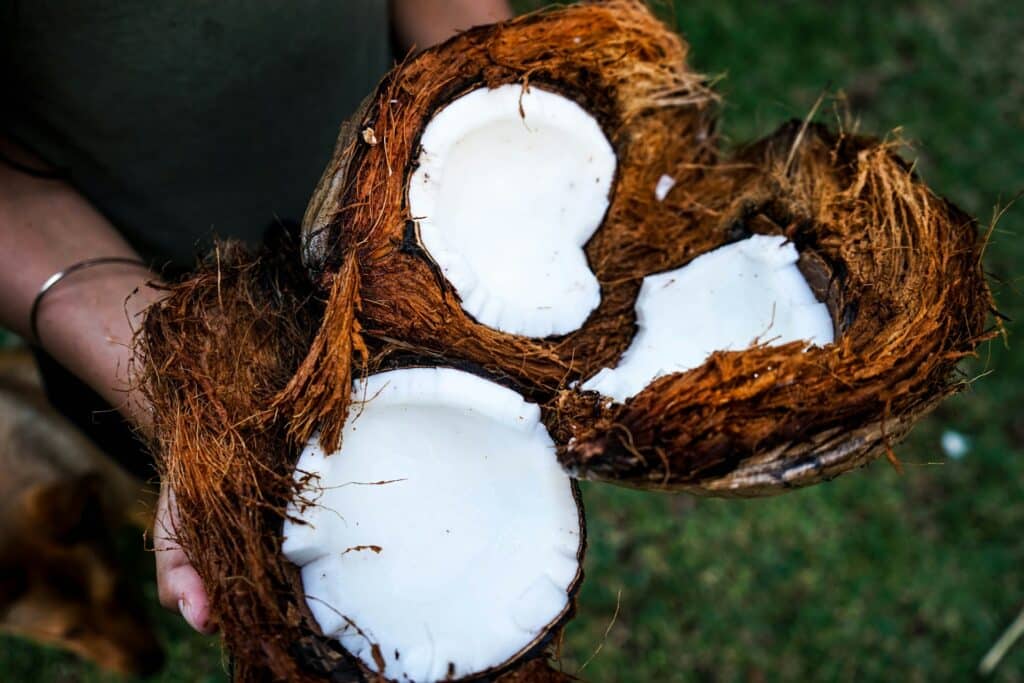
Coconut milk comes from diluted coconut cream from the coconut flesh, which is then heat-processed so that it becomes shelf-stable. Coconut milk is an environmentally friendly option, using only 3 liters of water per liter of coconut milk. Coconut trees are also carbon sequesters, making their footprint relatively low compared to other plant-based milks.
Coconut production is at the root of several ethical wildlife concerns, like pig-tailed macaques being used to harvest coconuts in Southeast Asia. Deforestation for coconut groves has led to the extinction of the Marianne white-eye and the Ontong Java flying fox, which was last seen in 1945.
Textiles, Concrete, and Milk, Oh My!
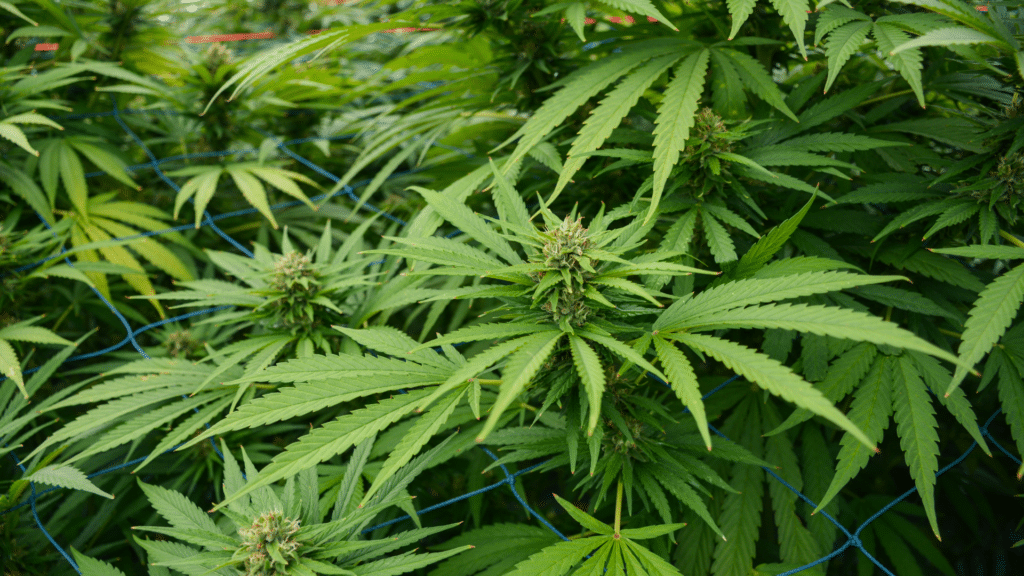
Hemp is incredibly versatile. Uses range from textiles and biofuels to some use as bioplastics. Hempcrete is an eco-friendly building material made from hemp, lime, and water.
Hemp also makes a great dairy alternative. Hemp plants are great for the environment; one hectare of hemp sequesters 9 to 15 tons of CO2. Hemp plants, legalized in the United States in 2018, have a strong list of soil-benefitting abilities. Hemp’s deep roots stabilize the soil and protect it from erosion. Hemp plants are phytoremediators, meaning they remove heavy metals and other pollutants from the ground.
Hemp uses 99% less land and has 52% less environmental impact than dairy farming.
So, What’s the Best Milk?
So, what’s the best milk?
While there may be no perfect answer for the most environmentally friendly milk, any alternative is significantly better than dairy. Your oat based latte may not be the ultimate solution, but it represents change. Everyday choices, no matter how small, add up to huge impacts over time.
Today, start with your latte. Tomorrow, use a reusable bag, ride a bike to work, go vegan, or support sustainable policies in your community.
Found this useful? Consider a donation to EARTHDAY.ORG to support further research and awareness.
This article is available for republishing on your website, newsletter, magazine, newspaper, or blog. The accompanying imagery is cleared for use. Please ensure that the author’s name and their affiliation with EARTHDAY.ORG are credited. Kindly inform us if you republish so we can acknowledge, tag, or repost your content. You may notify us via email at [email protected] or [email protected]. Want more articles? Follow us on substack.