Climate Action
Five Ordinary People Who Never Gave Up in the Fight for Our Planet
August 18, 2025
In honor of World Never Give Up Day, meet these five ordinary people whose determination helped make the World greener.
1. Denis Hayes – The College Student Who Sparked A Movement
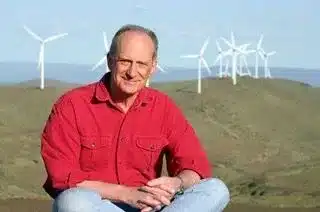
Denis Hayes was a 25-year-old graduate student when he took a leave of absence to organize what would become the largest environmental protest in U.S. history: the very first Earth Day.
In late 1969, Wisconsin Senator Gaylord Nelson recruited Hayes to become the executive director of the national campaign. Hayes dropped out of Harvard and moved to Washington D.C.
His efforts paid off when on April 22, 1970, over 20 million people took to streets, parks, and auditoriums to rally for the planet. Within months, the U.S. created the Environmental Protection Agency (EPA) and passed, amended and strengthened landmark environmental laws like the Clean Air Act.
While the first Earth Day was observed in the United States, Hayes took it further. On Earth Day’s 20th anniversary, he helped organize the first global Earth Day, drawing 200 million participants from over 140 countries.
EARTHDAY.ORG today supports the Earth Day mission year-round, working to drive positive change with partners in nearly every country with Denis still on the board.
2. Sharon Lavigne – The Teacher Who Fought to Keep her Neighbors Healthy
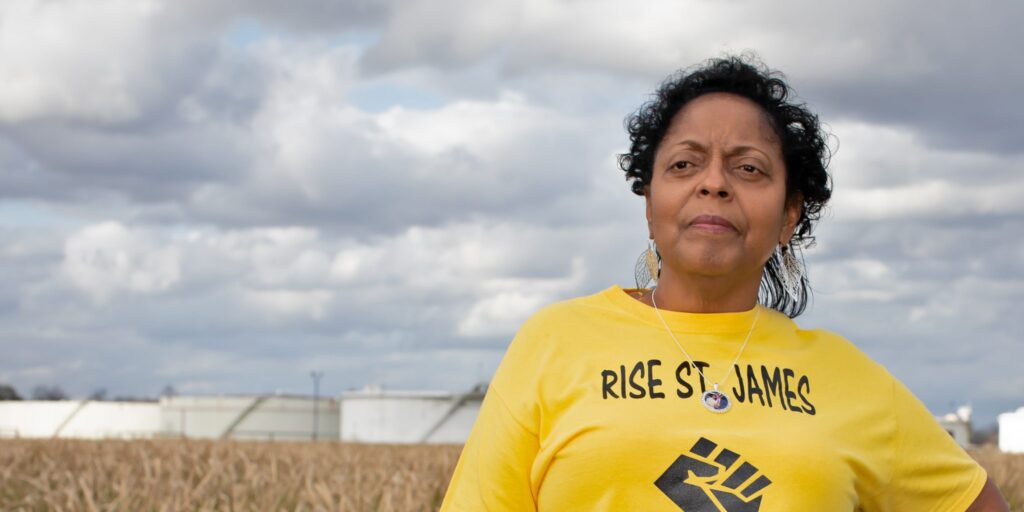
Sharon Lavigne’s hometown, St. James Parish, Louisiana, is nicknamed “Cancer Alley,” home to one of the highest concentrations of toxic chemicals and petrochemical plants in the United States, with cancer rates 50 times higher than the national average.
In 2018, the St. James Parish Council granted chemical company Wanhua permission to construct a $1.25 billion plastic manufacturing plant on the riverside. The proposed plant would produce hundreds of tons of methylene diphenyl diisocyanate (MDI), a chemical that harms respiratory function and would release other harmful chemicals into the nearby river and neighborhood.
Former special education teacher Sharon Lavigne lived in St. James Parish her whole life. After quitting her teaching job in 2018, she founded RISE St. James, a grassroots environmental organization inspired by her parents’ civil rights activism.
She mobilized against the plant, attended town council meetings, hosted events and built coalitions with other social justice organizations. Less than a year after receiving permission, Wanhua withdrew its land use application in response to Lavigne’s grassroots campaign. Her activism successfully prevented the generation of one million pounds of hazardous waste per year and shielded her neighbors from additional air and water pollution.
3. Marjan Minnesma – The Woman who Took on her Government and Won
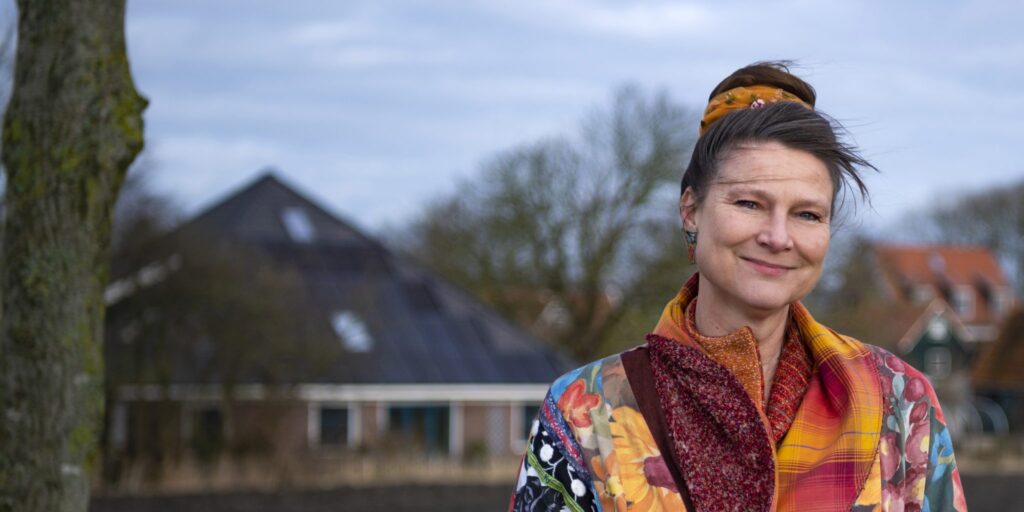
In 2009, all EU member states adopted targets for cutting greenhouse gas emissions, including the Netherlands.
Despite its 2010 agreement, Marjan Minnesma watched in frustration as the Dutch government took almost no action to meet its commitment. She founded the environmental nonprofit Urgenda, and demanded that the Dutch government deliver a 40 percent reduction in greenhouse emissions by 2020.
After the government responded that it did not want to be a “frontrunner” in fighting climate change, Urgenda filed a lawsuit, demanding a minimum 25 percent reduction in greenhouse emissions from 1990, arguing the Dutch government had a legal “duty of care” to protect its citizens from climate change.
Many thought the suit had no chance of success, yet Minnesma was determined. She asked citizens to help build the case, and 886 people joined as co-plaintiffs.
In 2019, Marjan’s work paid off when the Dutch Supreme Court ruled in her favor, forcing the government to cut emissions 25 percent below 1990 levels by the end of 2020. Her activism set a precedent for activists worldwide: citizens can hold their governments legally accountable for failing to protect citizens from climate change.
4. Julio Cusurichi – The Indigenous Leader Fighting for Rainforests
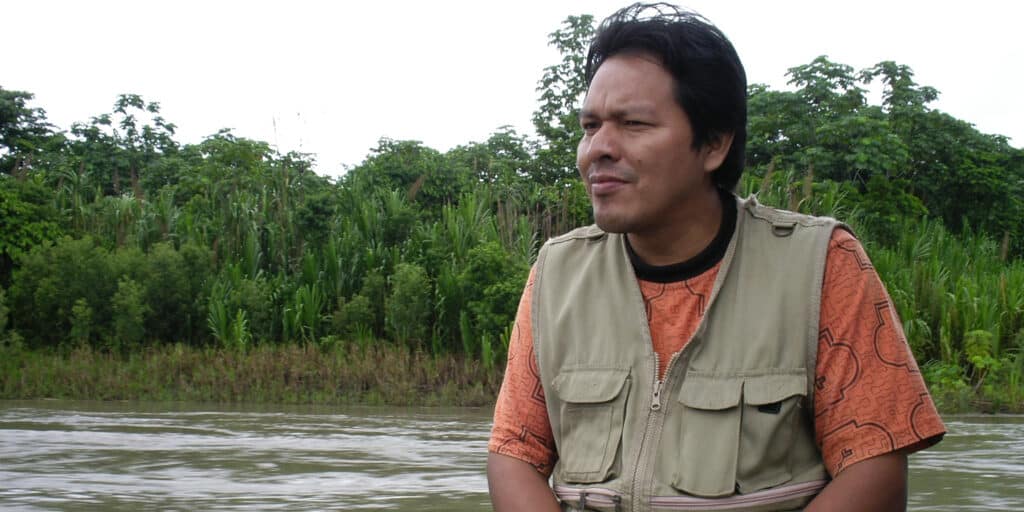
In the Amazon town of Puerto Maldonado, Shipibo indigenous leader of the Peruvian Amazon, Julio Cusurichi, witnessed decades of rainforest depletion. He watched illegal loggers press further into the area to harvest rare, bigleaf mahogany, depleting the area’s ecosystem as well as occasionally making contact with uncontacted indigenous groups, which often ended in violence.
Maldonado started forming partnerships with small-scale loggers, and in 2002, he led the effort that resulted in the creation of a 7,688-square-kilometer territorial reserve for isolated indigenous people in the most untouched areas of the Amazon.
Maldonado led the charge against illegal mahogany logging and trade, 80 percent of which was exported to the U.S. While petitioning the Peruvian government, Julio and the Natural Resources Defense Council (NRDC) sued the U.S. Departments of Homeland Security, Interior and Agriculture and three U.S. timber importers, alleging that importing Peruvian mahogany violated the US Endangered Species Act and Convention on International Trade in Endangered Species (CITES) regulations.
The provided evidence had a large enough political impact that the CITES 55th Standing Committee ordered Peru to reduce its 2007 mahogany export quota from 23,000 cu meters to below 5,000 cu meters. In 2008, U.S. Congress made it illegal to sell, purchase, or import plants acquired in violation of foreign laws.
Despite threats to him and his family, Julio’s environmental activism continues to this day. Even through setbacks, he never gave up.
5. Laurene Allen – Our 2025 Goldman Environmental Prize Winner
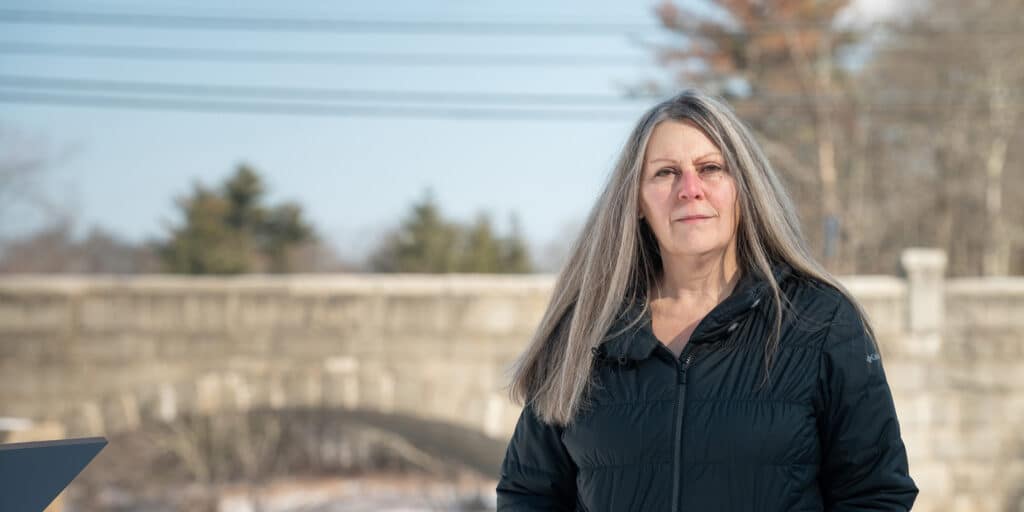
Laurene Allen moved to Merrimack, New Hampshire, in the 1980s. She moved to be a social worker, but ended up protecting thousands from contaminated drinking water.
Per- and polyfluoroalkyl substances (PFAS) are chemicals that protect products from water and heat damage. PFAS are linked to cancers and developmental delays and take thousands of years to break down, earning them the nickname “forever chemicals”.
In 2016, state officials informed residents that groundwater tests had found PFAS levels greater than the EPA health advisory. Feeling that the announcement was misleading, Allen began to study PFAS. She investigated the connection between the town’s water contamination and the Saint-Gobain Performance Plastics plant, a nearby fabric coating facility which produced items coated in liquid PFAS. Laurene contacted scientists, knocked on doors, hosted meetings, and cofounded the Merrimack Citizens for Clean Water.
It wasn’t until 2023 that Saint-Gobain announced plans to close the Merrimack plant – after years of Laurene’s intense pressure, the company was forced to leave. Still, the PFAS contamination in Merrimack was never legally attributed to Saint-Gobain.
But Laurene wasn’t done there. She transformed her local campaign into a statewide, and eventually national, network to address PFAS contamination. The Merrimack Citizens for Clean Water continued its work and with Laurene leading the way, New Hampshire became a leader in state PFAS regulations.
Laurene Allen is a 2025 Goldman Environmental Prize winner after Earthday.org nominated her for the award. Her story is a clear example that you don’t have to quit your day job and become an expert in environmental science to fight for the planet.
So remember, whether you’re a student, teacher, or parent, you can make a difference, as long as you never give up.
To learn more about what you can do, visit our Climate Education page. If you’d like to take concrete action, sign our Global Plastics Treaty, join the Great Global Cleanup, or support the Canopy Project.
You too can be a hero. The EPA is trying to undermine its own ability to keep our air and water clean and tackle climate change – tell Congress we expect them to protect clean air and clean water for all and to fight back, you can write to them here. Demand that Administrator Zeldin abandon this reckless plan here and tell President Trump that our children deserve better here.
This article is available for republishing on your website, newsletter, magazine, newspaper, or blog. The accompanying imagery is also cleared for use. Please ensure that the author’s name and their affiliation with EARTHDAY.ORG are credited. Kindly inform us if you republish so we can acknowledge, tag, or repost your content. You may notify us via email at [email protected] or [email protected].Want more articles? Follow us on substack.