
Guest Blog from the University of Illinois at Chicago

MobilizeU Guest Blog

By Brianna Ceglia

MobilizeU School Coordinator

University of Illinois at Chicago; Illinois, USA

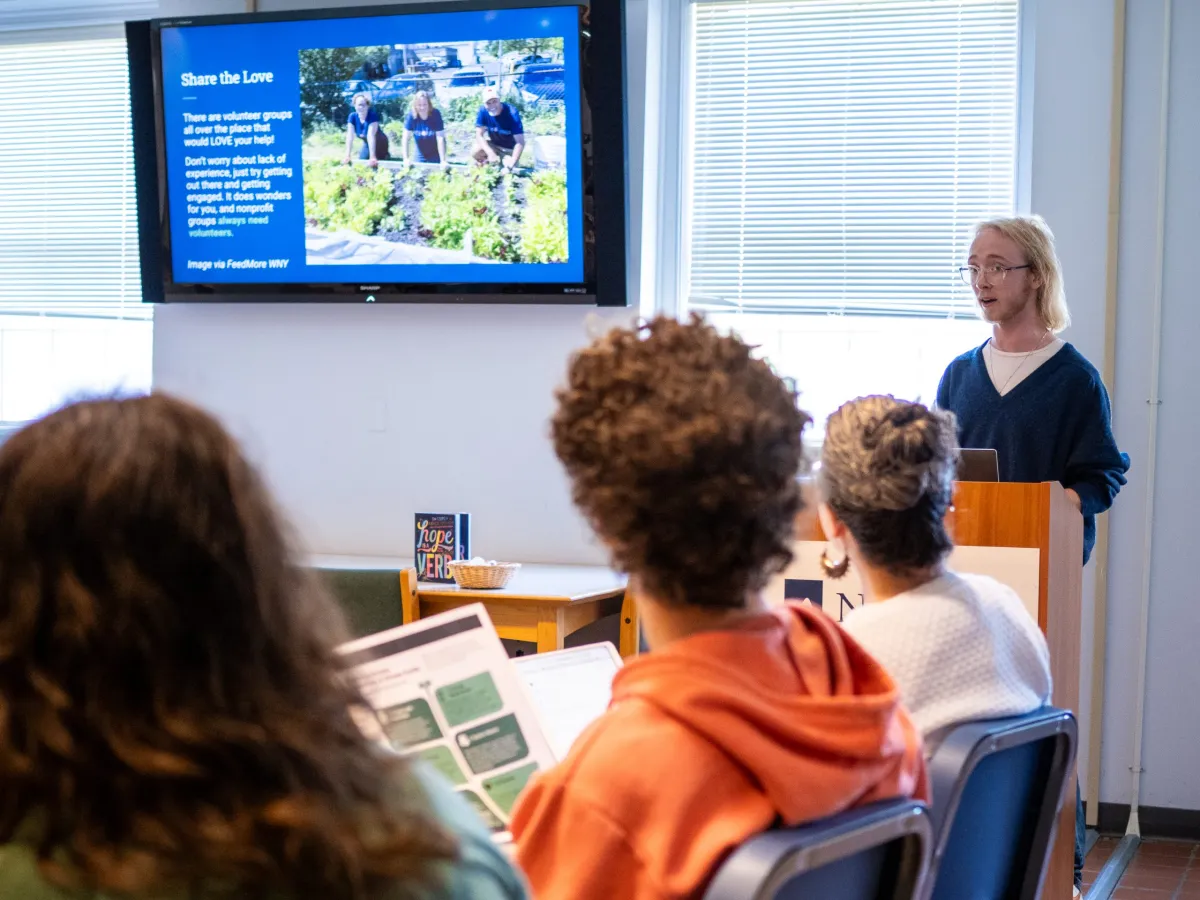
MobilizeU is off to a great start at UIC! I just got back from our first on-campus event; GreenUICEatUpMeetUp. GreenUIC is a mailing list created by the Office of Sustainability, where interested students, faculty and staff can get news about sustainability on campus and around Chicago. The EatUpMeetUp was a free lunch event, where anyone on campus could bring their lunch and eat outdoors in our native prairie garden. During the event, we discussed the environmental benefits and costs of vegan and vegetarian diets. We touched on a variety of issues, such as environmental footprint, water consumption (in food production), antibiotics, health benefits, nutrient density and more.

Coming up this week, we have a bike registration workshop where students can register their bike with the UIC police, get a free Chicago bike map,and participate in a bike route exercise. This will help a group of capstone students better understand cycling needs at UIC. We also have a free lunch event called ReThinking Soup, where anyone on campus can come enjoy soup made from fresh, local, seasonal ingredients (some of which are grown in our on-campus urban farm!)

Later in the week will have a seminar on “Beach Water Quality.” This is another free lunch event – the “Sustainability Lunch Series”- that will discussLEED certification for historic buildings and our Highlight Event of the Week- the Great Stuff Exchange! This event facilitates reuse of office supplies on campus. The event is open to the campus community, and anyone can stop by to “shop” for free office supplies that were donated by UIC departments! This is an annual event that helps remind our community that “reuse” should always come before “recycle”!

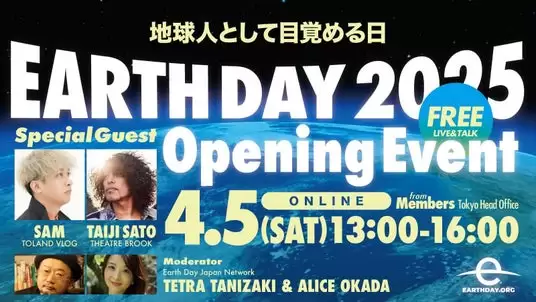
We are really excited about Earth Month and all of the opportunities we have to educate the campus community about the importance of environmental awareness, global warming and carbon footprint reduction. Stay tuned for next week’s update on how our events are going and what we have planned for the rest of April!

Comments

vswebspace

Thanks so much for this! I

Thanks so much for this! I have not been this thrilled by a blog post for quite some time! You’ve got it, whatever that means in blogging
http://www.bollywoodgaane.com/

jerryscholder

Vermiculture for Reducing

Vermiculture for Reducing Global Warming and Climate Change
What if Global Warming and Severe Climate Changes could be reduced and ultimately eliminated?
What if soil erosion could be reversed and unusable agricultural land could be reclaimed? What if crop production could be increased 20% and germination of seeds accelerated. What if landfills were no longer needed for any organic waste? What if by increasing soil carbon we could emit 336 TRILLION fewer kg of carbon in the form of carbon dioxide into the air worldwide. What if 2400 wastewater treatment plant operators in the U.S. converted all their biosolids into rich organic fertilizer that could be used anywhere without restrictions, utilizing "vermistabilization" instead of multimillion dollar processing that uses energy and chemicals to produce a product that is landfilled, incinerated, or applied to land with strict regulations? What if all this was possible and already proven and used in other countries but not the U.S.?
What if the lowly redworm was the solution to all of the above? Charles Darwin, Dr. Roy Hartenstein, and Dr. Clive Edwards would all agree that vermibiotechnology is the easiest, most effective, and least costly solution to the above issues. I want to establish funding and grant opportunities to perform research which confirms that utilizing redworms to destroy pathogens in municipal biosolids and thus meet E.P.A. Class A Part 503 Processes to further reduce pathogens as an alternative methodology for pathogen reduction. My company name is W.O.R.M.S. (Worms Operating to Reduce Municipal Sludge) and I want to revive research begun initially in 1978 by Dr. Roy Hartenstein and carried on by Dr. Clive Edwards in 1997. It's time that the U.S. join the rest of the world in using vermicomposting and vermitechnology to dispose of wastes in an environmentally safe, cost effective manner.

Anna Batorczak

Congratulation!!! The events

Congratulation!!!
The events are really great. I am sure that all University' community and other persons as well will enjoy them and that everything will go very well. I just hope we would have such Earth Day celebration at our University of Warsaw in Poland. But saying that I think we should take University of Illinois as an inspiration and just do this next year!
All the best
Anna Batorczak
University Centre for Environmental Studies at Warsaw University
Poland

Post new comment