On October 31st say hello to your 7 billionth neighbor

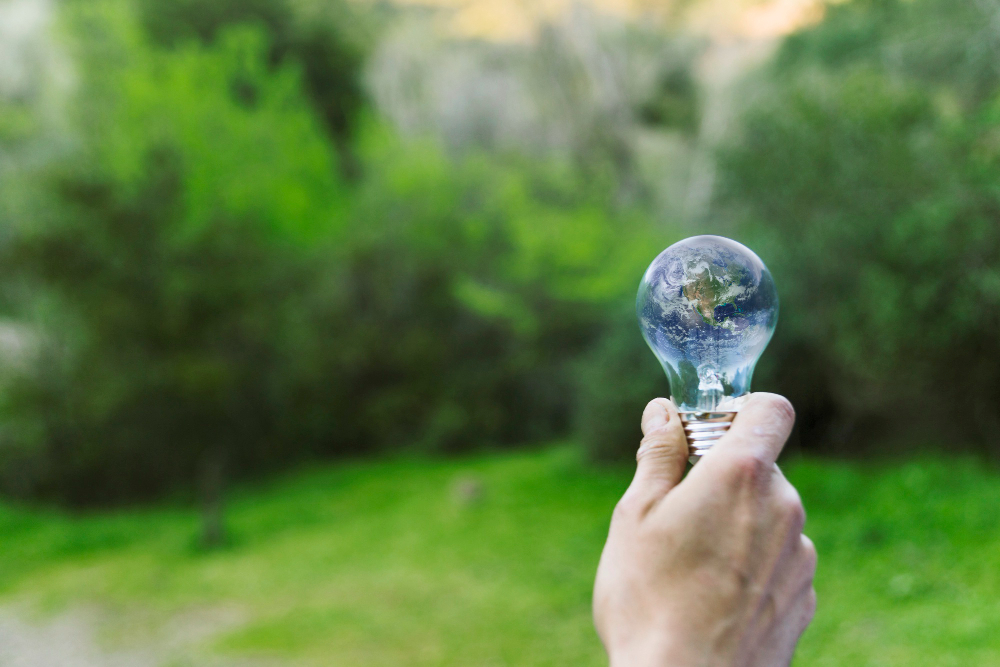
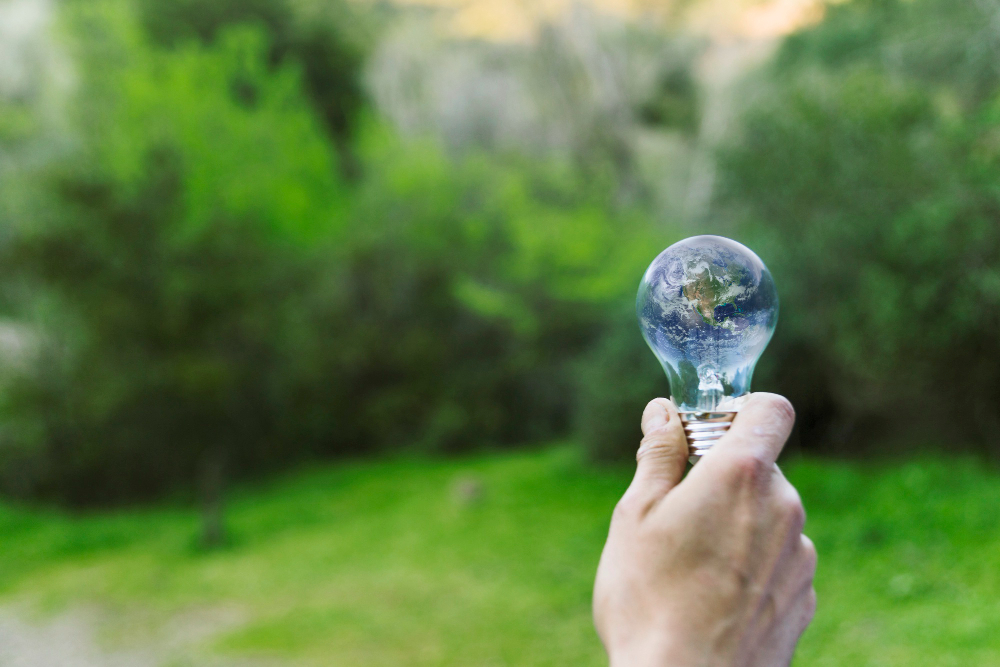
There's an old joke that goes: how many lawyers does it take to change a light bulb? The punchline is: how many can you afford? On October 31, 2011 when you turn to look at the person standing next to you on the subway platform, or on the bus you ride to work each day--will you then realize that you are now part of a planet that has seven billion inhabitants? The question that will now be posed for all of us to ponder is how much can the Earth afford?
What are we doing to ensure that there are enough resources to sustain us all? Let's just take water as one example. There is talk of water becoming a highly sought after commodity in the coming years where people will be at odds over its allocation.
We're putting it mildly, there are people who foresee far worse:
"Lester Brown, founder of Worldwatch Institute and now head of the Earth Policy Institute in Washington, believes food shortages could cause a collapse of global civilization. Human beings are living off natural capital, Brown argues, eroding soil and depleting groundwater faster than they can be replenished. All of that will soon be cramping food production. Brown’s Plan B to save civilization would put the whole world on a wartime footing, like the U.S. after Pearl Harbor, to stabilize climate and repair the ecological damage."
Do we have any other choice but to act now? We will need to find renewable forms of energy and make adjustments to where and how we live. The alternative is simply not an option.

Though i can not change the
Though i can not change the world ,i try to protect it!
My blog: http://www.r4ifr.com! new blog:http://www.r4ds-dstt.nl
I think by the end of the
I think by the end of the century, the UN expects the world population to be 11 billion! There is no way the Earth can support that many people so we are either going to have to act now and get ourselves under control, or face population crash. Populations don't tend to level off at the ecosystems maximum capacity level; they tend to overshoot, drastically, face a sharp decline in population and then bob back and forth around the equilibrium line before finally evening out. Our story COULD be different because unlike animal and plant populations, we are self aware and can make conscious decisions about reproduction and resource use. But that doesn't mean our story WILL be different.....